
TEXAS ROOFING CONTRACTORS
Roofing Systems Built for
Texas Weather
From roof replacement and storm repairs to windstorm-certified and fortified roofing systems, 12 Bravo Construction installs roofs built for strength, durability, and long-term protection.
Veteran-Owned • Fully Insured • Serving Santa Fe, Pearland, Friendswood, League City & Surrounding Areas
Roofing Systems that protect what matters
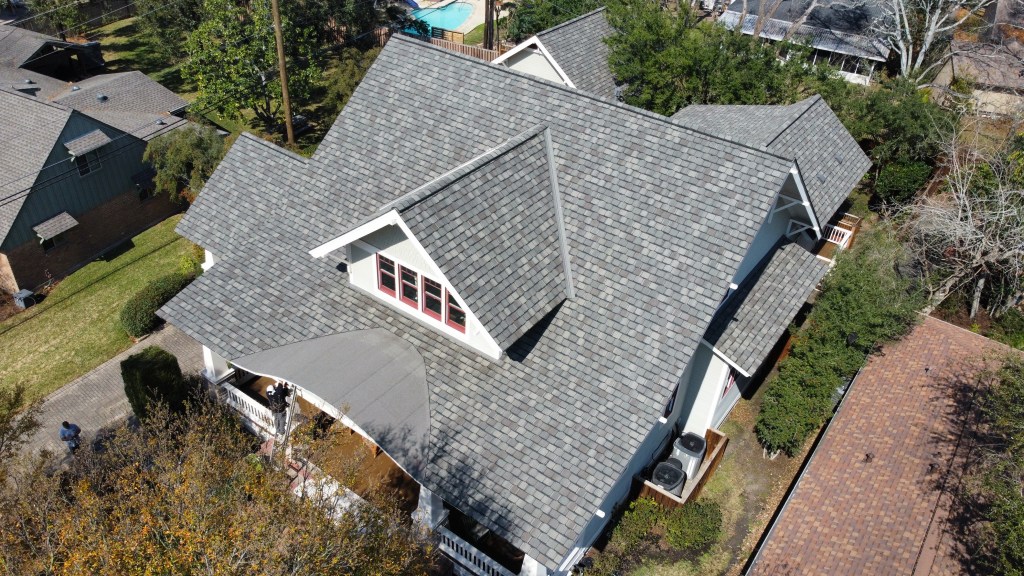
Fortified Roofing Systems
FORTIFIED roofing systems are designed to exceed standard roofing practices with upgraded installation methods built for severe weather, stronger wind resistance, and long-term durability.
- Designed for Severe Texas Weather
- Enhanced Wind Resistance
- Upgraded Installation Standards
- Potential Insurance Discounts
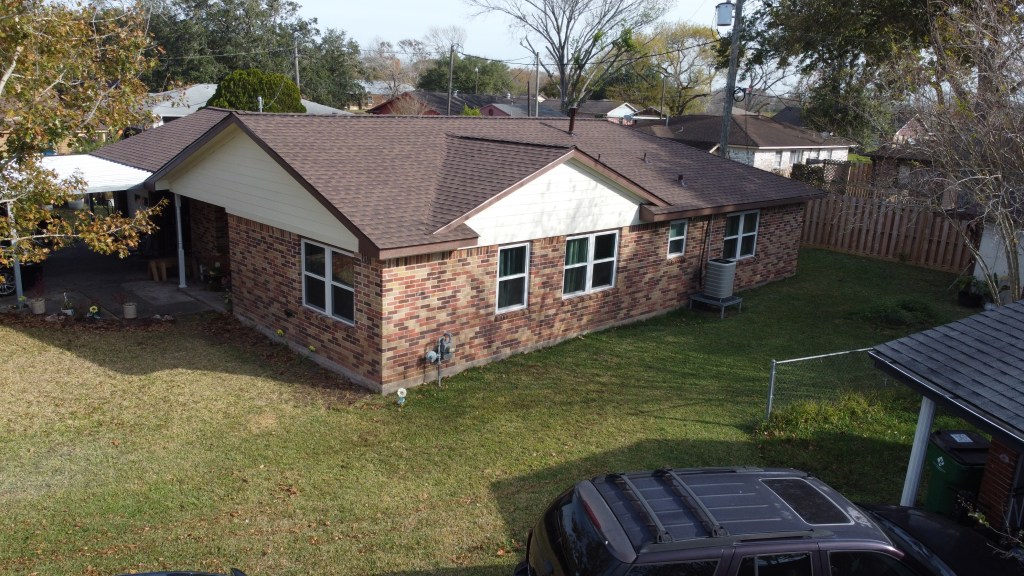
Windstorm Certified Roofing
Windstorm-certified roofing systems are installed to meet Texas windstorm requirements for coastal and high-wind areas while improving roof performance and code compliance.
- Meets Texas Windstorm Requirements
- Built for Coastal & High-Wind Areas
- Improved Roof System Durability
- Professionally Installed & Documented

Manufacturer Recommended Roofing Systems
Our standard roofing systems follow manufacturer-recommended installation methods using quality materials and proper installation practices designed for long-term protection.
- Manufacturer Recommended Installation
- Quality Roofing Materials
- Built for Long-Term Performance
- Installed With Attention to Detail
THE DETAILS AREN’T SMALL. THEY’RE EVERYTHING.
A quality roofing system is built through proper installation, attention to detail, and the right materials working together to protect your home from Texas weather. From roof deck preparation and ventilation to flashing details and upgraded roofing options, every step plays a role in long-term durability and performance.
Proper Roof Deck Inspection
Manufacturer Recommended Installation
Windstorm & Fortified Roofing Options
Improved Ventilation & Flashing Systems
Built for Long-Term Durability
SMART UPGRADES STRONGER RESULTS

NAILS

DECKING



BARRIER


OUR PROVEN INSTALLATION PROCESS
& Assess
Estimate
Delivery
& Prep
& Repairs
Installation
& Cleanup
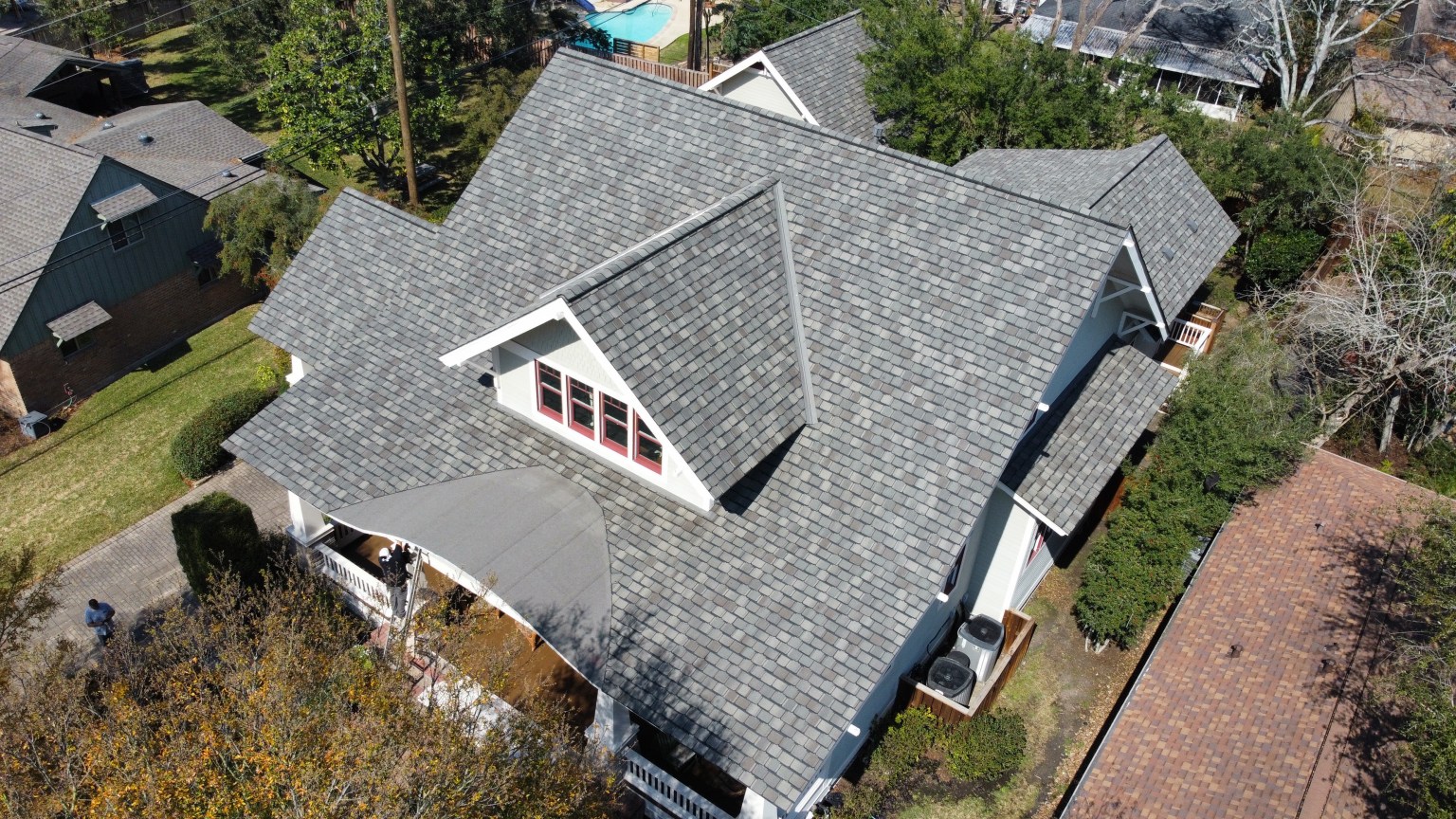
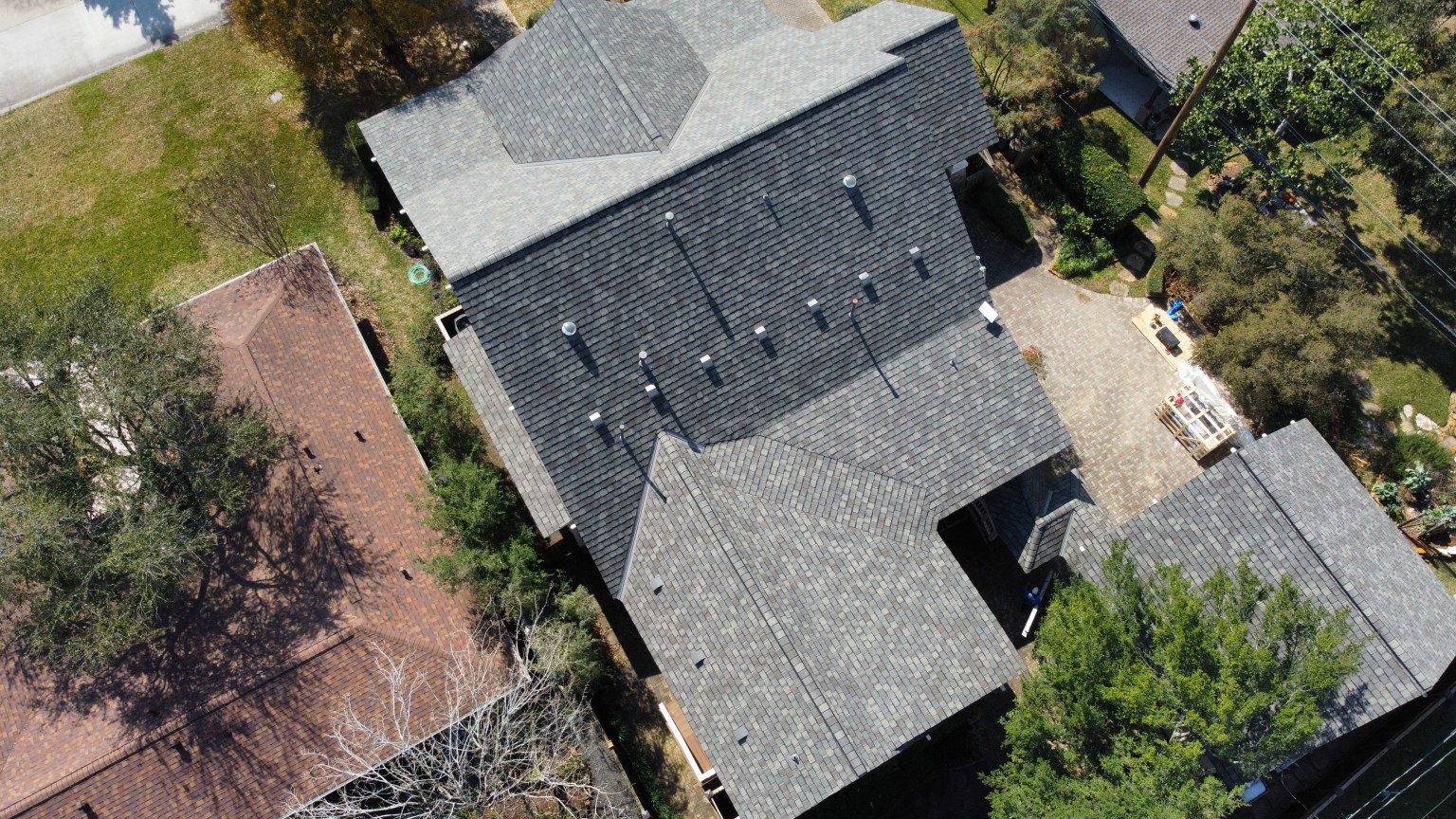
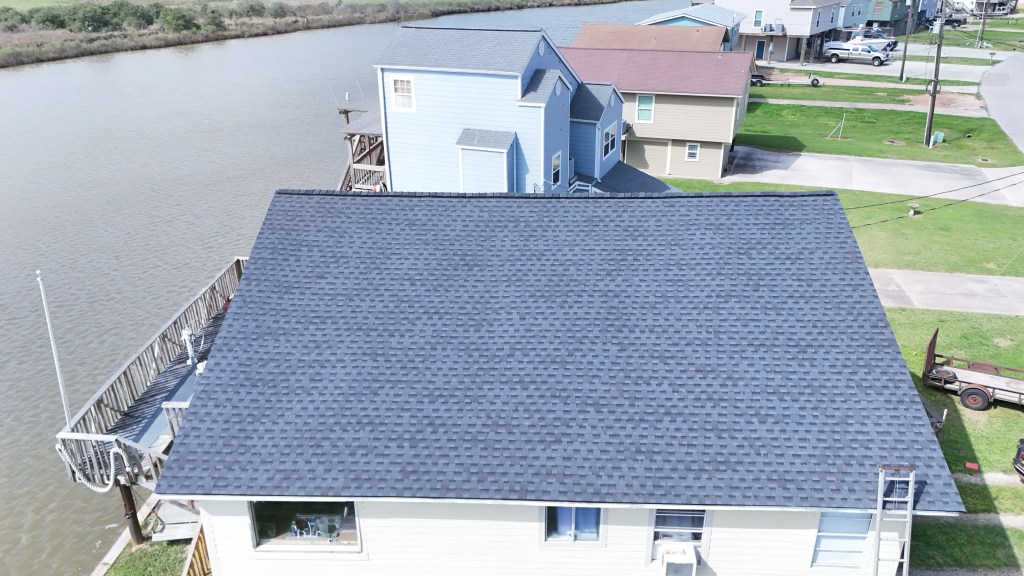
ROOF INSTALLATION PROJECTS
See examples of roofing systems installed by 12 Bravo Construction throughout Southeast Texas.
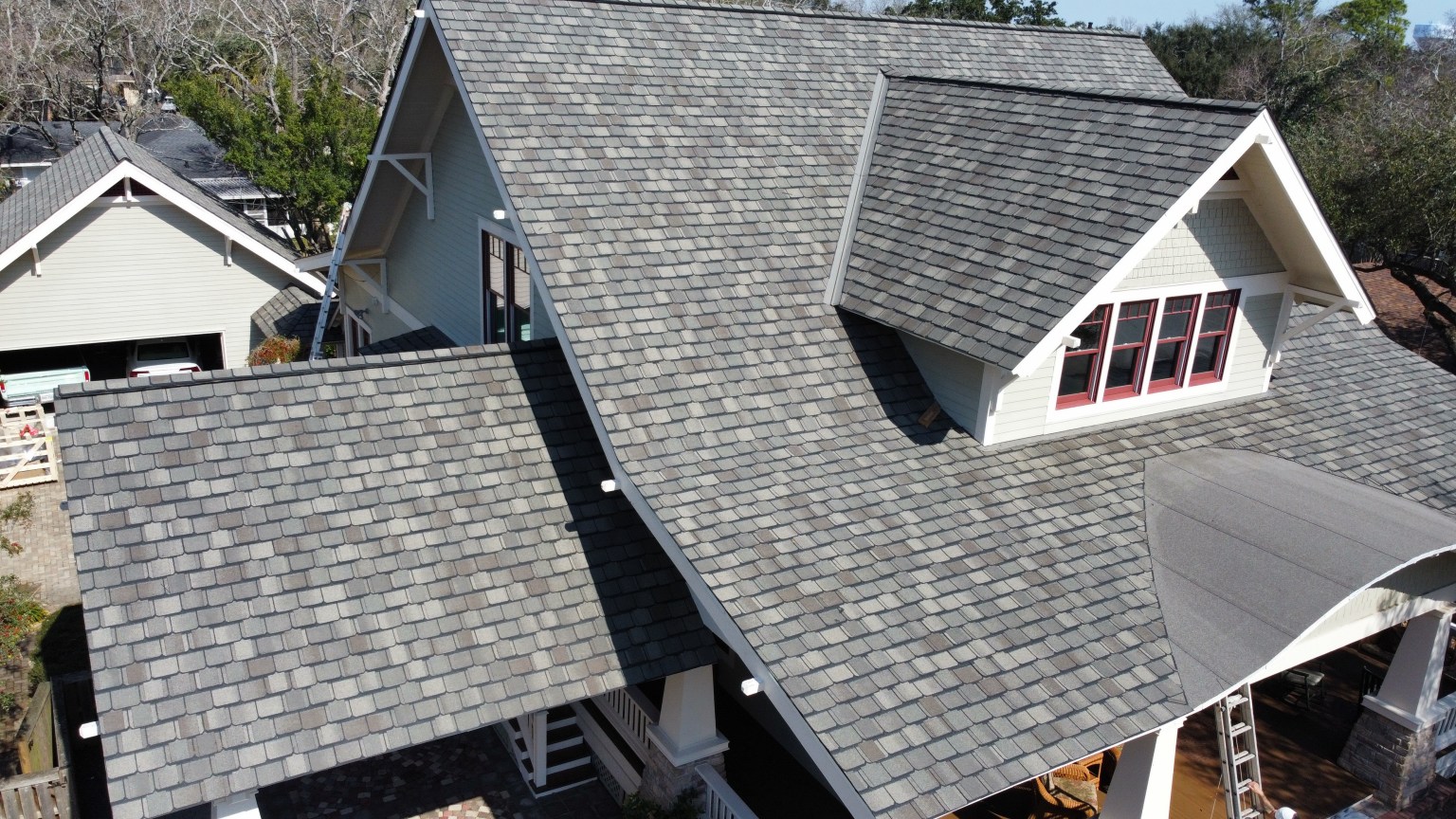
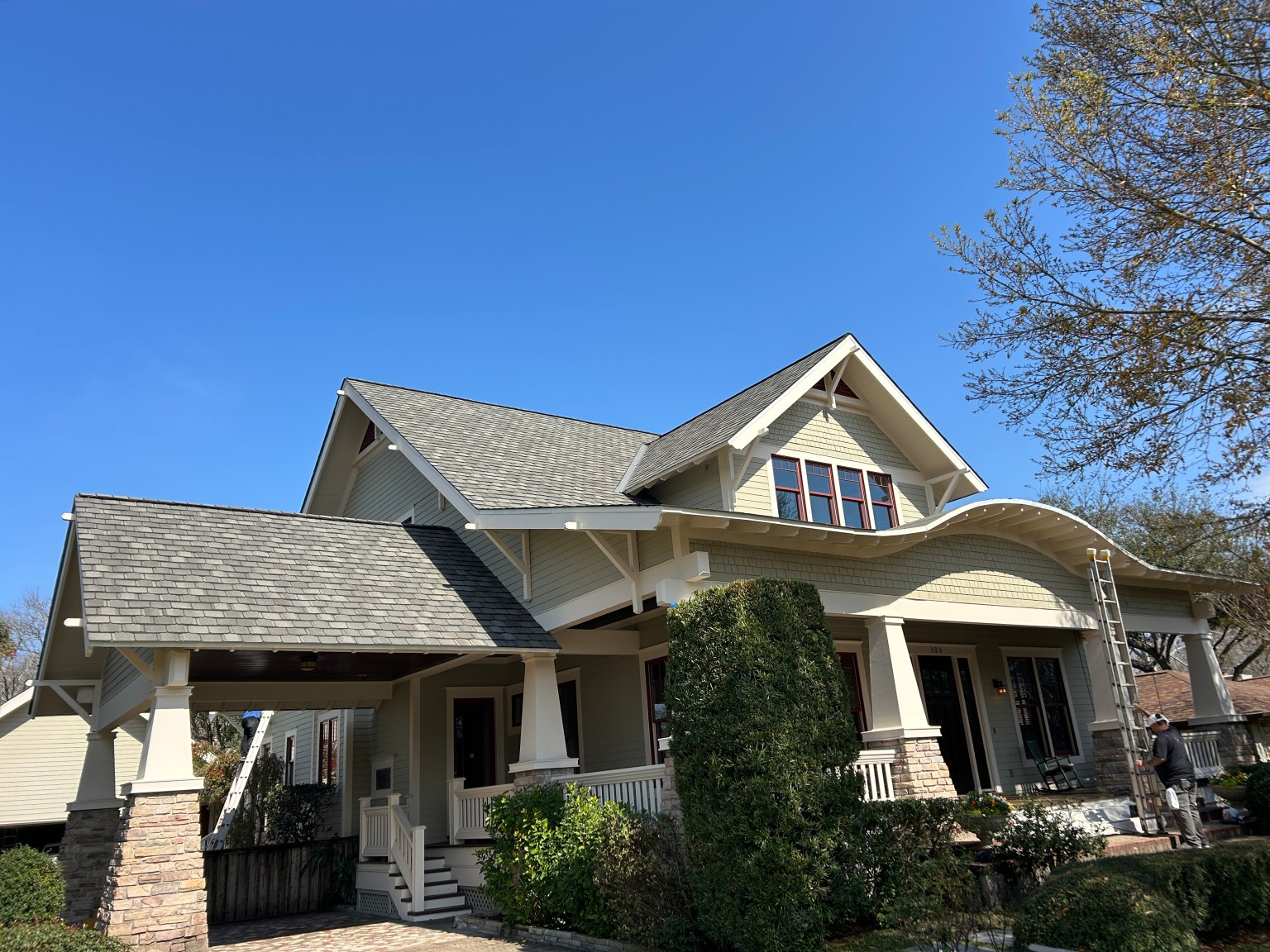
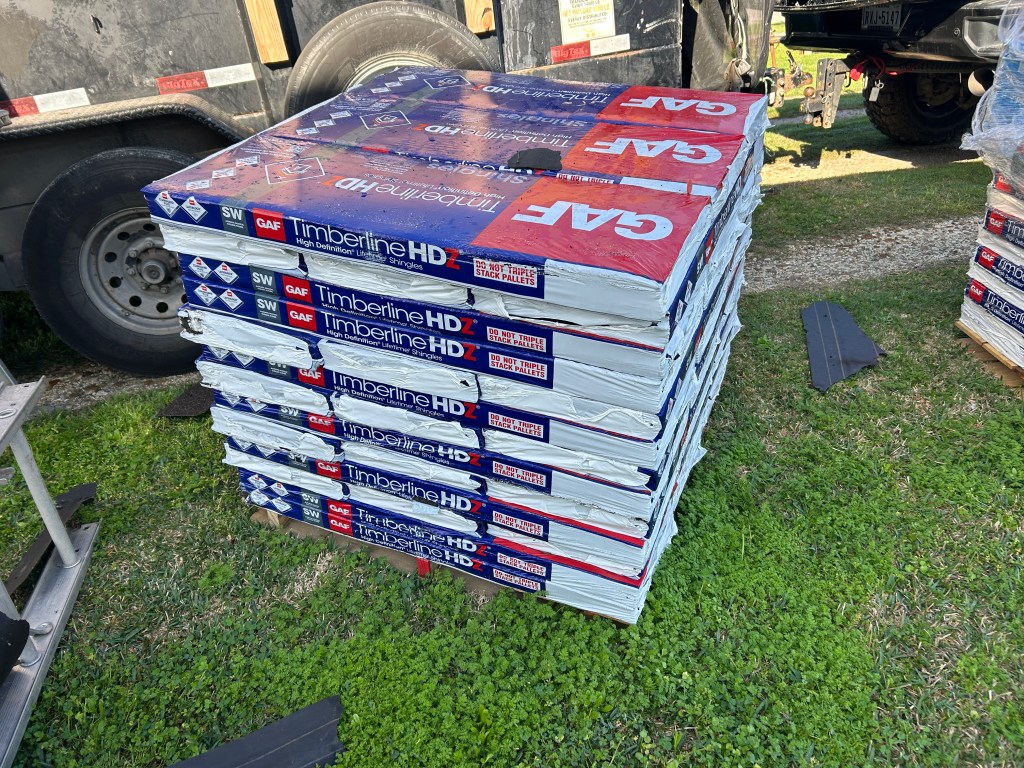
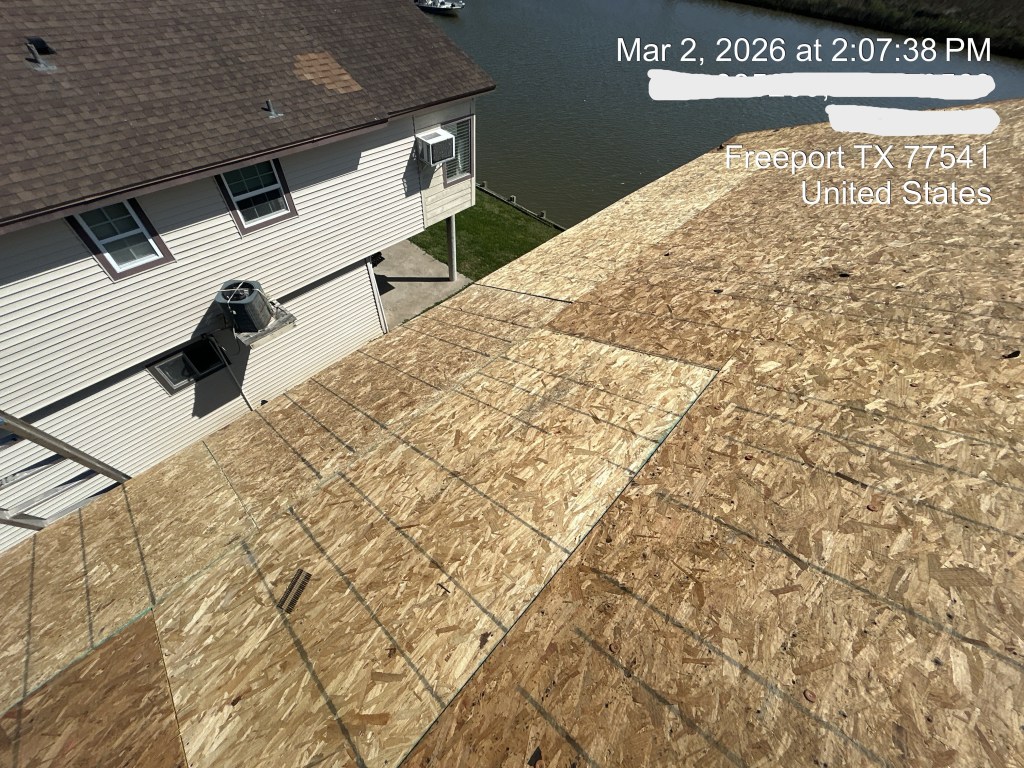
THE DIFFERENCE IS IN THE DETAILS
See the installation details that help improve durability, weather resistance, and long-term roof performance.
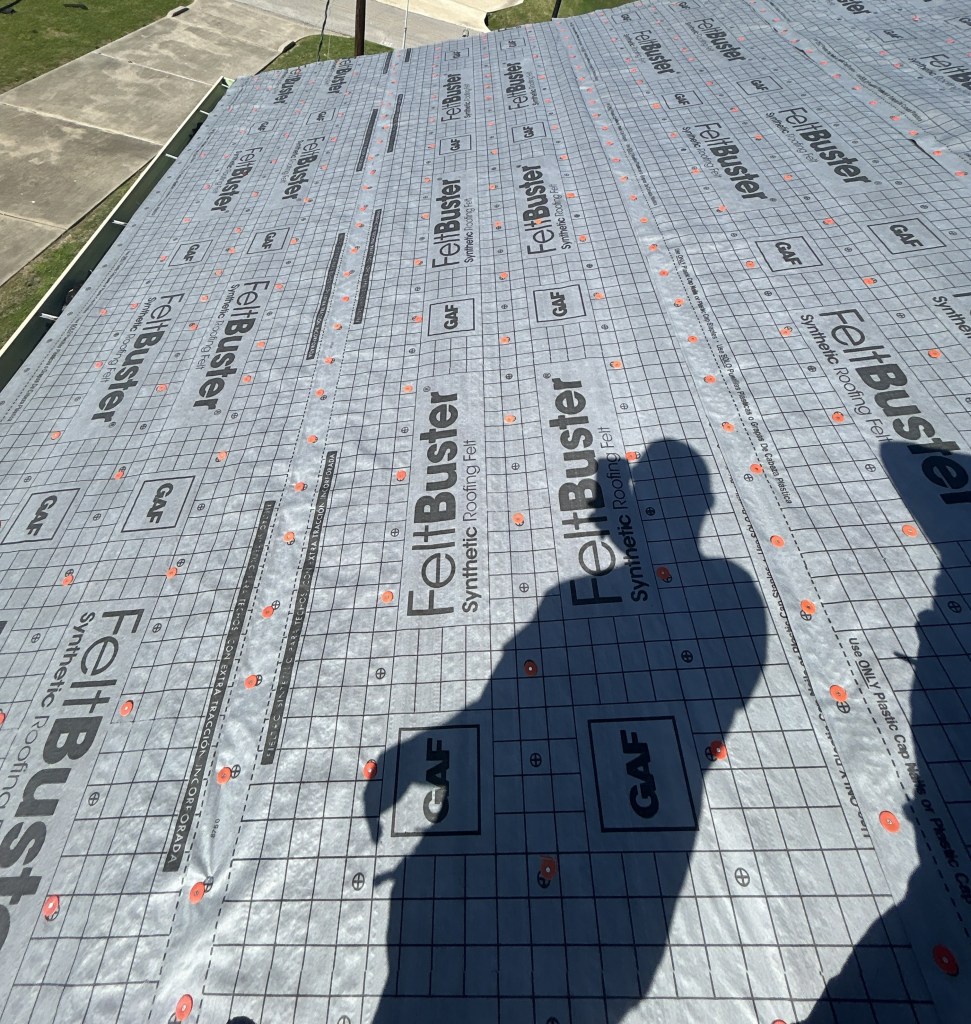


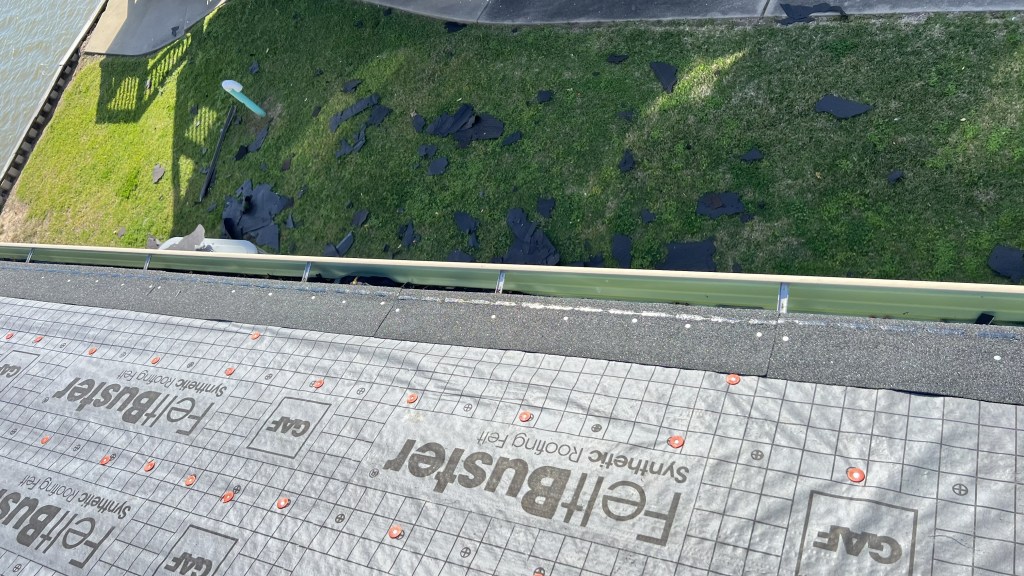

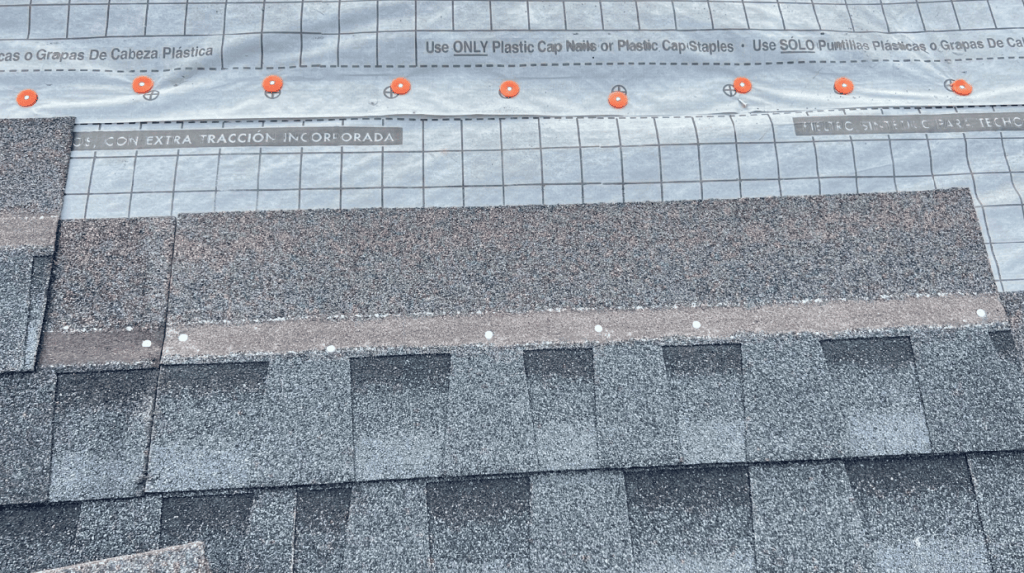


ROOF REPLACEMENT FAQ
Get answers to the most common questions homeowners ask before replacing their roof.
How Do I Know If I Need a Roof Replacement?
A roof replacement may be needed if your roof has widespread storm damage, multiple leaks, missing shingles, soft decking, or is nearing the end of its expected lifespan. In Southeast Texas, most asphalt shingle roofs last between 15 and 20 years, depending on the quality of materials, installation, ventilation, and exposure to severe weather. A professional roof inspection can help determine whether a repair or full replacement is the better option.
How Much Does a Roof Replacement Cost?
The cost of a roof replacement depends on several factors, including roof size, roof pitch, material selection, roof accessibility, and the condition of the existing roof deck. Additional upgrades such as improved ventilation, synthetic underlayment, impact-resistant shingles, or fortified roofing features can also affect pricing.
```A roofing contractor should perform a detailed roof measurement before providing a final price. This is typically done using professional roof measurement software or by manually measuring the roof. Homeowners should be cautious of quotes based solely on a quick visual inspection or rough square count, as they may not accurately account for the materials, labor, and components required for the project.
How Long Does It Take to Replace a Roof?
Most residential roof replacements can be completed in one to two days, depending on the size and complexity of the roof. Factors such as weather conditions, steep roof sections, material selection, and the need for roof deck repairs can affect the overall timeline.
```Before installation begins, homeowners should discuss the expected schedule with their roofing contractor. A well-organized roofing project includes material delivery, tear-off, roof deck inspection, installation, cleanup, and a final quality inspection to ensure the roofing system is installed properly.
What Happens During a Roof Replacement?
A roof replacement typically begins with removing the existing roofing materials down to the roof deck. Once exposed, the decking is inspected for damaged or deteriorated areas that may need repair before the new roofing system is installed.
```After the roof deck is prepared, new underlayment, flashing, starter materials, shingles, and ventilation components are installed. Once the installation is complete, the property is cleaned, debris is removed, and a final inspection is performed to ensure the roofing system was installed correctly.
What Roofing Material Is Best for Texas Homes?
The best roofing material for Texas homes depends on your budget, location, and long-term goals. Architectural asphalt shingles remain the most popular roofing material because they provide a strong balance of durability, appearance, and value.
```At 12 Bravo Construction, our most commonly recommended shingles are GAF Timberline HDZ and GAF Timberline UHDZ Class 4 Impact Resistant Shingles. These roofing systems are among the most popular in the industry and include GAF's Unlimited Wind Warranty when installed as part of a qualifying GAF roofing system. For homeowners in Southeast Texas, wind resistance, impact resistance, and proper installation methods are often just as important as the shingles themselves.
What Is the Difference Between a Roof and a FORTIFIED Roof?
A standard roof is typically installed according to local building codes and manufacturer requirements. A FORTIFIED Roof goes beyond standard building codes by incorporating additional installation methods designed to better resist high winds, wind-driven rain, and severe weather.
```FORTIFIED roofing systems may include upgrades such as enhanced roof deck attachment, sealed roof decking, improved edge protection, and stronger installation standards. These additional measures are designed to reduce the risk of roof damage during major storms and help keep water out if shingles are damaged or blown off.
What Roofing Upgrades Provide the Best Value?
Some of the most valuable roofing upgrades include improved attic ventilation, synthetic underlayment, impact-resistant shingles, upgraded flashing details, and enhanced roof deck attachment. These upgrades can improve the performance, durability, and lifespan of a roofing system.
```Not every upgrade is necessary for every home. The best upgrades depend on your location, budget, and long-term goals. Homeowners in Southeast Texas often prioritize upgrades that improve wind resistance, moisture protection, and storm performance due to the region's heat, humidity, hurricanes, and severe weather.
What Happens If Damaged Decking Is Found?
The roof deck is the foundation of the entire roofing system. If damaged, rotten, delaminated, or structurally compromised decking is discovered during the tear-off process, those areas must be repaired or replaced before new roofing materials can be installed.
```For Texas Windstorm projects, damaged decking is typically replaced with full sheets rather than small patch repairs. Full sheet replacement creates a stronger, more uniform roof deck and helps ensure the roofing system can meet current windstorm inspection requirements.
Do I Need a Permit to Replace My Roof?
Permit requirements vary by city and county. Many municipalities in Southeast Texas require permits for full roof replacements, while some repairs may not require permitting. Homeowners should verify local requirements before starting a project.
```When required, permits help ensure the roofing system is installed according to current building codes and inspection requirements. Permits can also provide an additional layer of accountability by helping homeowners verify that a contractor is operating as a legitimate business, carries the required insurance, and is willing to have their work inspected by the local building authority. Homeowners should always ask who is responsible for obtaining the permit and request a copy once it has been issued.
Can Homeowners Insurance Pay for Roof Replacement?
Throughout Pearland, Friendswood, League City, and surrounding Southeast Texas communities, homeowners frequently ask whether hail or wind damage qualifies for insurance coverage. Homeowners insurance may cover roof replacement if the damage was caused by a covered event such as hail, wind, or a fallen tree. Coverage depends on the age and condition of the roof, the cause of the damage, and the type of policy you carry.
```Before filing a claim, homeowners should understand whether they have an Actual Cash Value (ACV) policy or a Replacement Cost Value (RCV) policy. Similar to the difference between liability-only and full coverage auto insurance, an RCV policy generally provides broader coverage. Homeowners should also review their deductible carefully. In many cases, high deductibles can significantly impact whether filing a claim makes financial sense.
Does a New Roof Increase Home Value?
A new roof can improve curb appeal, increase buyer confidence, and help a home stand out in a competitive market. Many buyers view an aging roof as a major future expense, so replacing it before selling can eliminate a common concern during negotiations.
```While every market is different, a new roof can provide value beyond resale price by improving appearance, reducing maintenance concerns, and potentially lowering insurance costs when upgraded materials are used.
What Warranties Come With a New Roof?
Most new roofs include both a manufacturer warranty and a workmanship warranty. Manufacturer warranties cover defects in roofing materials, while workmanship warranties cover installation-related issues.
```As a GAF Certified Contractor, 12 Bravo Construction installs roofing systems that qualify for GAF warranty programs when applicable. We also provide a 2-Year Worry-Free Workmanship Warranty. Additional extended workmanship warranty options are available with qualifying maintenance packages for homeowners seeking longer-term coverage.
How Do I Choose the Right Roofing Contractor?
Homeowners should research a contractor's reputation, verify insurance coverage, and confirm that permits will be obtained when required. Ask for references, review online feedback, and look for detailed reviews that explain the customer's experience rather than focusing only on star ratings.
```One of the best ways to evaluate a contractor is to verify their work history. Homeowners can often contact their local building department to see whether permits have been pulled under the company's name. You can also request proof of insurance and verify that the policy is active by contacting the insurance carrier directly.
Are Impact-Resistant Shingles Worth It?
Impact-resistant shingles are designed to better withstand hail and debris impacts than standard shingles. For homeowners in Southeast Texas, they can provide additional protection during severe weather events and may reduce the likelihood of storm-related roof damage.
```Many insurance companies recognize impact-resistant roofing systems and may offer premium discounts. Homeowners considering a FORTIFIED Roof often choose Class 4 impact-resistant shingles because they provide one of the highest levels of impact protection available in asphalt roofing products.
What Role Does Attic Ventilation Play in a Roofing System?
Proper attic ventilation helps remove heat and moisture from the attic space. A balanced ventilation system can improve roofing performance, reduce moisture-related issues, and help extend the lifespan of roofing materials.
```The owner of 12 Bravo Construction also holds a Texas HVAC Contractor License and has personally evaluated heat-load performance in homes with different roofing systems. While roof color can affect attic temperatures, ductwork located in the attic often accounts for approximately 20% to 30% of a home's total heat load. Proper ventilation can help reduce attic temperatures and improve overall energy efficiency.
Are Metal Roof Accessories Better Than Plastic Roof Accessories?
Roof accessories include components such as pipe jacks, roof vents, exhaust vents, and other penetrations that pass through the roofing system. These components play an important role in preventing leaks and protecting vulnerable areas of the roof.
```In many cases, metal accessories provide greater long-term durability than plastic versions. Plastic components can become brittle from prolonged UV exposure and may crack over time. During hail events, damaged plastic accessories can sometimes be punctured completely, while metal accessories are more likely to dent without creating an opening. The best choice depends on the application, but many homeowners prefer metal accessories for their durability and longevity.